تمل
- English
- Español
- Português
- русский
- Français
- 日本語
- Deutsch
- tiếng Việt
- Italiano
- Nederlands
- ภาษาไทย
- Polski
- 한국어
- Svenska
- magyar
- Malay
- বাংলা ভাষার
- Dansk
- Suomi
- हिन्दी
- Pilipino
- Türkçe
- Gaeilge
- العربية
- Indonesia
- Norsk
- تمل
- český
- ελληνικά
- український
- Javanese
- فارسی
- தமிழ்
- తెలుగు
- नेपाली
- Burmese
- български
- ລາວ
- Latine
- Қазақша
- Euskal
- Azərbaycan
- Slovenský jazyk
- Македонски
- Lietuvos
- Eesti Keel
- Română
- Slovenski
- मराठी
- Srpski језик

کیا ڈسپیچنگ سینٹر کا ذہین کنسول ایمرجنسی رسپانس کو بہتر بنا سکتا ہے؟
بجلی کی بندش، ٹریفک میں خلل، یا صنعتی واقعے کے دوران، ہنگامی ردعمل کا انحصار اس بات پر ہوتا ہے کہ لوگ بکھری ہوئی معلومات کو کتنی جلدی مربوط کارروائی میں بدل سکتے ہیں۔ ایکڈسپیچنگ سینٹر کا ذہین کنسولاہم معلومات کو منظم کرنے، مواصلات کو بہتر بنانے، اور آپریٹرز کو ترقی پذیر حالات کے بارے میں واضح نظریہ برقرار رکھنے میں مدد کر کے اس عمل کی حمایت کر سکتے ہیں۔
کیوں ایمرجنسی ڈسپیچ اکثر قیمتی وقت کھو دیتا ہے۔
ہنگامی واقعات شاذ و نادر ہی ایک متوقع ترتیب کی پیروی کرتے ہیں۔ ایک کنٹرول روم مانیٹرنگ سسٹم سے الارم، فیلڈ ٹیموں سے فون کالز، آلات کی صورتحال کی تازہ کاری، اور منٹوں میں متعدد محکموں سے درخواستیں وصول کر سکتا ہے۔ ہر پیغام مفید ہو سکتا ہے، لیکن اصل چیلنج یہ سمجھنا ہے کہ معلومات کس طرح ایک ساتھ فٹ بیٹھتی ہیں۔
جب آپریٹرز کو اسکرینوں، مواصلاتی آلات اور دستی ریکارڈ کے درمیان بار بار سوئچ کرنا ہوگا، تو اہم تفصیلات کو نظر انداز کیا جا سکتا ہے۔ دو محکمے مختلف اپ ڈیٹس سے کام کر سکتے ہیں، جبکہ ایک فیلڈ ٹیم کارروائی کرنے سے پہلے تصدیق کا انتظار کرتی ہے۔
یہ تاخیر ضروری نہیں کہ معلومات کی کمی کا نتیجہ ہو۔ بہت سے معاملات میں، مسئلہ یہ ہے کہ معلومات مشترکہ آپریشنل تصویر کے بغیر الگ الگ چینلز کے ذریعے پہنچتی ہیں۔
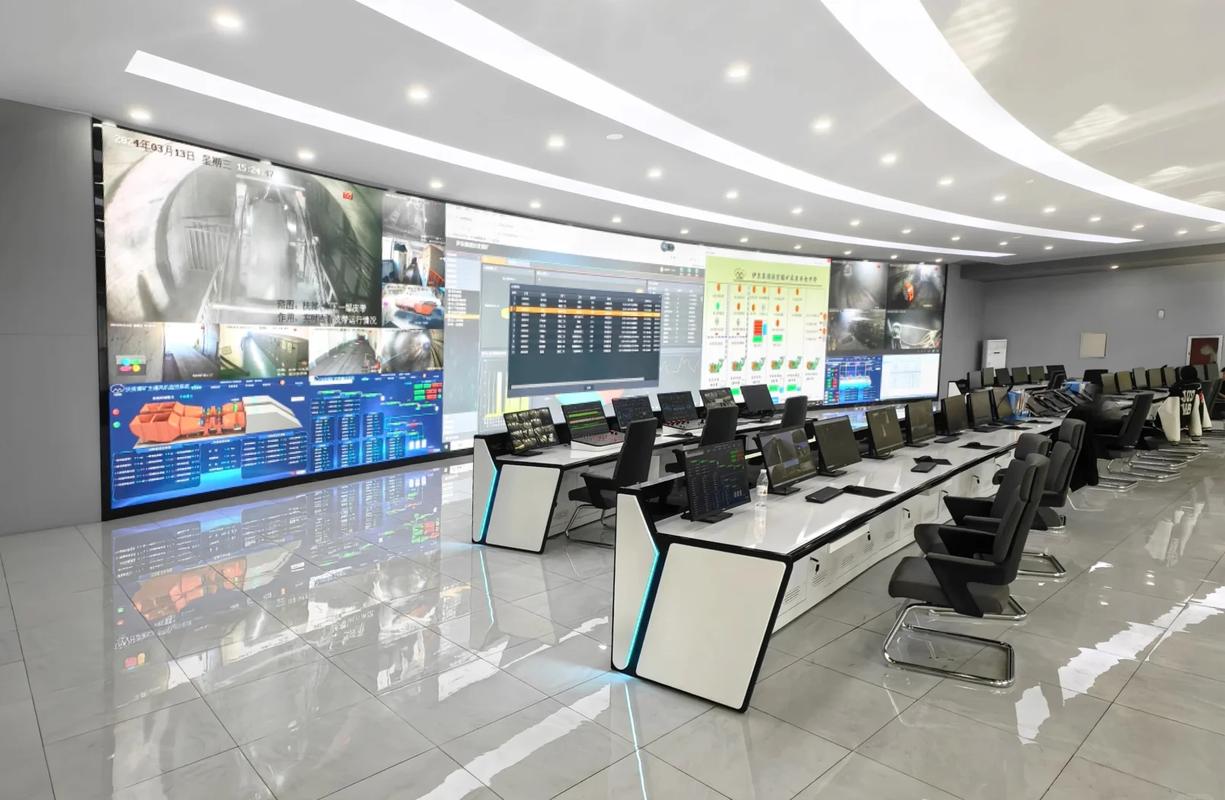
ڈسپیچ کنسول کس طرح تیز فیصلوں کی حمایت کرتا ہے۔
ڈسپیچ کنسول آلات کی نگرانی، ٹیموں کے ساتھ بات چیت، اور آپریشنل معلومات کے انتظام کے لیے ایک وقف شدہ ورک اسپیس فراہم کرتا ہے۔ ہنگامی ردعمل میں اس کا تعاون اس بات پر منحصر ہے کہ ورک سٹیشن، کمیونیکیشن سسٹم، اور ڈیجیٹل ٹولز ایک ساتھ کتنی اچھی طرح کام کرتے ہیں۔
تنقیدی معلومات کو ایک نظر میں لانا
ایک مربوط کنٹرول روم الارم کے پیغامات، سازوسامان کے حالات، واقعے کے مقامات، اور جوابی پیش رفت کو مسلسل ترتیب میں دکھا سکتا ہے۔ آپریٹرز منقطع انٹرفیس میں بار بار تلاش کیے بغیر شناخت کر سکتے ہیں کہ کن واقعات پر فوری توجہ کی ضرورت ہے۔
مثال کے طور پر، علاقائی بجلی کی رکاوٹ کے دوران، آپریٹرز کو متاثرہ سب سٹیشنوں کا موازنہ کرنے، آلات کے الارم کا جائزہ لینے، اور دیکھ بھال کرنے والی ٹیموں کے ساتھ بات چیت کرنے کی ضرورت پڑ سکتی ہے۔ ایک اچھی طرح سے منظم کنسول لے آؤٹ ان کاموں کو مرئی رکھنے میں مدد کرتا ہے اور ورک سٹیشنوں کے درمیان غیر ضروری نقل و حرکت کو کم کرتا ہے۔
ٹیموں کے درمیان رابطے کو بہتر بنانا
ہنگامی ردعمل میں اکثر وقت کے دباؤ میں کام کرنے والے کئی محکمے شامل ہوتے ہیں۔ ڈسپیچ آپریٹرز کو درست ہدایات کا اشتراک کرنے، اہم اپ ڈیٹس کو ریکارڈ کرنے، اور یہ معلوم کرنے کی ضرورت ہے کہ آیا تفویض کردہ کارروائیاں مکمل ہو گئی ہیں۔
ایک مربوط ڈسپیچ ماحول منسلک ٹیلی فون سسٹمز، ریڈیو آلات، ڈیٹا ٹرمینلز، اور مشترکہ ڈسپلے کے ذریعے مواصلت کی حمایت کر سکتا ہے۔ صاف آلات کی جگہ کا تعین اور منظم کیبل کا انتظام توسیعی کارروائیوں کے دوران ضروری کنٹرولوں کو قابل رسائی رکھنے میں بھی مدد کرتا ہے۔
مقصد صرف مواصلات کی رفتار کو بڑھانا نہیں ہے۔ یہ غلط فہمیوں کو کم کرنا اور اس بات کو یقینی بنانا ہے کہ متعلقہ معلومات صحیح وقت پر صحیح لوگوں تک پہنچیں۔
کیا ذہین ٹیکنالوجی اگلے مسئلے کی پیش گوئی کر سکتی ہے؟
ڈیجیٹل نگرانی اور ڈیٹا کا تجزیہ ڈسپیچ سینٹرز کے لیے نئے مواقع پیدا کر رہا ہے۔ آپریٹر کے ہر غیر معمولی پڑھنے کا انتظار کرنے کے بجائے، منسلک نظام غیر معمولی نمونوں کی شناخت کر سکتے ہیں اور ترتیب شدہ حد یا تجزیاتی ماڈلز کی بنیاد پر الرٹ جاری کر سکتے ہیں۔
مثال کے طور پر، بڑھتے ہوئے آپریٹنگ درجہ حرارت کے ساتھ مل کر بار بار آلات کے الارم ترقی پذیر غلطی کی نشاندہی کر سکتے ہیں۔ ایک مانیٹرنگ پلیٹ فارم پیٹرن کو نمایاں کر سکتا ہے، جس سے آپریٹرز کو صورتحال کے مزید سنگین ہونے سے پہلے تفتیش کرنے کی اجازت ملتی ہے۔
مصنوعی ذہانت واقعات کی درجہ بندی، معلومات کی بازیافت، اور آپریشنل سمریوں کی تیاری میں مزید مدد کر سکتی ہے۔ تاہم، پیشین گوئیاں صرف اس وقت کارآمد ہوتی ہیں جب بنیادی ڈیٹا درست ہو اور انتباہات قابل فہم ہوں۔ ہنگامی فیصلوں کے لیے اب بھی قائم شدہ طریقہ کار، انسانی فیصلے، اور واضح ذمہ داری کی ضرورت ہوتی ہے۔
ایکڈسپیچنگ سینٹر کا ذہین کنسولاس لیے یہ ایک مربوط آپریشنل ماحول کے حصے کے طور پر بہترین کام کرتا ہے بجائے اس کے کہ فرنیچر کے اسٹینڈ لون ٹکڑے یا فیصلہ سازی کے آزاد نظام کے طور پر۔
ایمرجنسی کنٹرول روم میں ڈیزائن کے کون سے عوامل اہم ہیں؟
فزیکل ورک سٹیشن اس وقت بھی اہم رہتا ہے جب ڈیجیٹل سسٹمز زیادہ جدید ہو جاتے ہیں۔ آپریٹرز لمبی شفٹوں کے لیے کام کر سکتے ہیں، متعدد ڈسپلے کی نگرانی کر سکتے ہیں، اور معمولی انتباہ کے ساتھ واقعات کا جواب دے سکتے ہیں۔ ناقص ترتیب پہلے سے مطلوبہ کردار میں غیر ضروری جسمانی اور ذہنی دباؤ ڈال سکتی ہے۔
| ڈیزائن پر غور کرنا | ہنگامی حالات میں یہ کیوں اہمیت رکھتا ہے۔ |
|---|---|
| اسکرین کا انتظام | اہم انتباہات اور آپریشنل خیالات کو نظر میں رکھتا ہے۔ |
| ایرگونومکس | توسیع شدہ شفٹوں کے دوران آرام دہ آپریشن کی حمایت کرتا ہے۔ |
| آلات کی رسائی | مواصلاتی آلات اور کنٹرولز تک رسائی آسان بناتا ہے۔ |
| کیبل مینجمنٹ | کنکشن کو منظم اور ورک اسپیس کو منظم رکھتا ہے۔ |
| ماڈیولر لے آؤٹ | بدلتے ہوئے آلات اور سسٹم کی ضروریات کو ایڈجسٹ کرنے میں مدد کرتا ہے۔ |
| بحالی تک رسائی | نصب شدہ سامان کے معائنہ اور سروسنگ کو آسان بناتا ہے۔ |
یہ تحفظات بجلی کے نیٹ ورکس، نقل و حمل کے نظام، عوامی تحفظ کی سہولیات، صنعتی پلانٹس، اور دوسرے ماحول میں متعلقہ ہیں جہاں مسلسل نگرانی ضروری ہے۔
لے آؤٹ کو اصل کام کرنے کے طریقہ کار کی عکاسی کرنی چاہیے۔ مثال کے طور پر، ایک ٹرانسپورٹ ڈسپیچ روم، راستے کی معلومات اور مواصلاتی آلات کو ترجیح دے سکتا ہے، جبکہ صنعتی کنٹرول روم عمل کی نگرانی اور آلات کے الارم پر زیادہ زور دے سکتا ہے۔
پیمائش کرنا کہ آیا ایمرجنسی رسپانس میں بہتری آئی ہے۔
ایک نئے کنسول لے آؤٹ یا ڈیجیٹل انٹرفیس کا اندازہ صرف ظاہری شکل کے بجائے عملی آپریشنل اقدامات کے ذریعے کیا جانا چاہیے۔ مفید اشاریوں میں الارم کو تسلیم کرنے کے لیے درکار وقت، ٹیموں کے درمیان گزرنے والی معلومات کی درستگی، کسی واقعے کو تفویض کرنے کے لیے درکار وقت، اور مشقوں کے دوران ریکارڈ کی گئی مواصلاتی غلطیوں کی تعداد شامل ہے۔
ہنگامی مشقیں ان مسائل کو ظاہر کر سکتی ہیں جو معمول کی کارروائیوں سے ظاہر نہیں ہو سکتی ہیں۔ اگر آپریٹرز بار بار ایک ہی انتباہات سے محروم رہتے ہیں یا ضروری کنٹرولز کو تلاش کرنے کے لیے جدوجہد کرتے ہیں، تو اس مسئلے میں اسکرین کی تنظیم، ورک فلو ڈیزائن، یا مانیٹرنگ ٹیکنالوجی کی بجائے تربیت شامل ہو سکتی ہے۔
باقاعدگی سے جائزے محکموں کو یہ سمجھنے میں بھی مدد کرتے ہیں کہ آیا ان کے سسٹم واقعات کا مشترکہ نقطہ نظر فراہم کرتے ہیں اور کیا پرائمری سسٹم کے ناکام ہونے پر بیک اپ مواصلاتی طریقہ کار قابل رسائی رہتے ہیں۔
مستقبل کے ڈسپیچ مراکز میں کنسول ڈیزائن کا کردار
چونکہ ڈسپیچ سینٹرز زیادہ مانیٹرنگ ڈیوائسز، کمیونیکیشن پلیٹ فارمز، اور تجزیاتی ٹولز کو جوڑتے ہیں، اس لیے ورک سٹیشن کے ڈیزائن کو آپریشنل ضروریات کے مطابق رکھنا چاہیے۔ Tianjin Temery Metal Products Co., Ltd. مانیٹرنگ کنسولز، کنٹرول کنسولز، ڈسپیچ کنسولز، نیٹ ورک کیبینٹ، اور ویڈیو وال سسٹم تیار کرتا ہے۔ تیانجن میں اس کی مینوفیکچرنگ سہولیات میں جدید CNC پروسیسنگ کا سامان اور تقریباً 10,000 مربع میٹر پروڈکشن سائٹ شامل ہے، جو دھاتی کنٹرول روم کے آلات میں اس کے کام کی معاونت کرتی ہے۔
وسیع تر صنعت کا رجحان کنٹرول ماحول کی طرف ہے جو مربوط معلوماتی نظاموں کے ساتھ واضح جسمانی ترتیب کو یکجا کرتے ہیں۔ ٹیکنالوجی آپریٹرز کو واقعات کی شناخت اور ردعمل کو مربوط کرنے میں مدد کر سکتی ہے، لیکن مؤثر ہنگامی انتظام ابھی بھی تربیت یافتہ اہلکاروں، قابل اعتماد مواصلات، عملی طریقہ کار، اور اچھی طرح سے منظم کام کی جگہوں پر منحصر ہے۔
بالآخر، ایکڈسپیچنگ سینٹر کا ذہین کنسولہنگامی ردعمل کو بہتر بنا سکتا ہے جب اس کا ڈیزائن معلومات تک تیز تر رسائی، واضح ہم آہنگی، اور زیادہ مستقل فیصلہ سازی کی حمایت کرتا ہے۔ اس کی قیمت اسکرینوں کی تعداد یا جدید خصوصیات کی موجودگی میں نہیں ہے، بلکہ اس بات میں ہے کہ جب ہر منٹ اہمیت رکھتا ہے تو یہ لوگوں کو جواب دینے میں کس حد تک مؤثر طریقے سے مدد کرتا ہے۔
پچھلا :
-
متعلقہ خبریں۔
- AI ڈیٹا سینٹرز کے لیے ماڈیولر کمپیوٹر روم کیبنٹ کیوں تیار ہو رہی ہے۔
- اہم انفراسٹرکچر کا پرسکون ورک ہارس: کیوں مانیٹرنگ کنسول ہارڈ ویئر اپنے اپ گریڈ سائیکل کا مستحق ہے
- کیا کل کا مانیٹرنگ کنسول صرف نمبر دکھانے کے بجائے صوتی فعال اور پیش گوئی کرنے والا ہوگا؟
- ماڈیولر کمپیوٹر رومز کے فوائد
- آپریشن کنسولز کے کلیدی کام
- آپ اپنے کاروبار کے لیے صحیح نیٹ ورک کیبنٹ کا انتخاب کیسے کر سکتے ہیں؟
مجھے ایک پیغام چھوڑ دو